50 Hospital Services in Qatar: A Comprehensive Guid
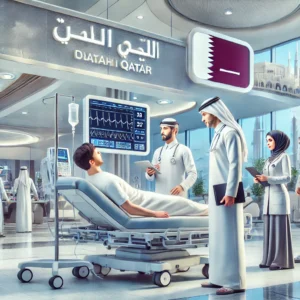
Qatar is home to a well-developed healthcare system that provides a wide range of medical services through government and private hospitals. These hospitals offer specialized care across various fields, ensuring the health and well-being of residents and visitors. Below is a detailed list of 50 hospital services available in Qatar:
1. Emergency Services
Hospitals provide 24/7 emergency care for life-threatening conditions, trauma, and acute illnesses. Advanced ambulance services are also available.
2. General Surgery
Hospitals offer various surgical procedures, including appendectomies, hernia repairs, and other general surgical treatments.
3. Cardiology
Comprehensive heart care services, including ECG, echocardiograms, angioplasty, and heart surgery, are available.
4. Neurology
Diagnosis and treatment of neurological disorders such as strokes, epilepsy, and multiple sclerosis are provided.
5. Orthopedic Services
Specialized care for bone fractures, joint replacements, and spinal surgeries is offered.
6. Pediatrics
Medical care for infants, children, and adolescents, including vaccinations and specialized pediatric surgery.
7. Obstetrics and Gynecology (OB-GYN)
Services include prenatal care, childbirth, fertility treatments, and gynecological surgeries.
8. Oncology (Cancer Care)
Hospitals provide chemotherapy, radiation therapy, and advanced cancer treatments.
9. Radiology and Imaging
CT scans, MRI, X-rays, and ultrasounds are used for accurate diagnosis and monitoring of diseases.
10. Anesthesiology
Pain management and anesthesia services for surgeries and critical care are available.
11. Dermatology
Hospitals provide treatments for skin diseases, cosmetic procedures, and laser therapy.
12. Gastroenterology
Specialized services for digestive system disorders such as ulcers, liver disease, and irritable bowel syndrome.
13. Endocrinology
Diagnosis and treatment of hormonal disorders like diabetes, thyroid diseases, and metabolic conditions.
14. Pulmonology
Treatment for lung diseases such as asthma, COPD, and tuberculosis.
15. Nephrology
Hospitals offer dialysis and kidney disease treatments.
16. Urology
Medical and surgical treatment for urinary tract infections, kidney stones, and prostate problems.
17. Rehabilitation Medicine
Therapies for patients recovering from surgery, stroke, or physical injuries.
18. Psychiatry and Mental Health
Psychiatric evaluations, counseling, and treatments for mental health conditions such as depression and anxiety.
19. Dental and Oral Health
Dental hospitals provide services including root canals, orthodontics, implants, and cosmetic dentistry.
20. Ophthalmology (Eye Care)
Hospitals offer cataract surgery, LASIK, and treatment for eye diseases.
21. Ear, Nose, and Throat (ENT) Services
Hospitals treat conditions like sinusitis, hearing loss, and throat infections.
22. Immunology
Diagnosis and treatment of immune system disorders and allergies.
23. Hematology
Treatment for blood disorders such as anemia, hemophilia, and leukemia.
24. Pathology and Laboratory Testing
Blood tests, biopsy analysis, and other lab services for disease diagnosis.
25. Pharmacy Services
In-hospital pharmacies provide prescription medicines and patient counseling.
26. Nutrition and Dietetics
Hospitals offer dietary counseling and meal plans for patients with chronic illnesses.
27. Physiotherapy
Rehabilitation services for mobility improvement and injury recovery.
28. Occupational Therapy
Therapists help patients regain daily living skills after injury or illness.
29. Speech and Language Therapy
Treatment for speech impairments and swallowing disorders.
30. Occupational Health Services
Workplace health and safety programs, including pre-employment medical screenings.
31. Community Health Services
Public health initiatives such as vaccination campaigns and health education programs.
32. Home Healthcare
Medical care services provided to patients in their homes.
33. Ambulance and Patient Transport
Advanced life-support ambulances and medical transport services.
34. Telemedicine Services
Remote consultations with doctors via online platforms.
35. Maternal and Child Healthcare
Hospitals provide maternity and newborn care, including neonatal intensive care units (NICU).
36. Vaccination and Immunization Services
Routine and specialized immunizations for children and adults.
37. Preventive Health Screenings
Regular medical checkups to detect diseases early.
38. Counseling Services
Psychological counseling for stress, grief, and relationship issues.
39. Geriatrics (Elderly Care)
Specialized care for aging patients with chronic illnesses.
40. Neonatology
Medical services for premature and critically ill newborns.
41. Plastic and Reconstructive Surgery
Cosmetic procedures and reconstructive surgeries after injuries.
42. Neurosurgery
Advanced surgical procedures for brain and spinal disorders.
43. Thoracic Surgery
Surgical treatment for lung and chest conditions.
44. Vascular Surgery
Treatment of blood vessel diseases, including aneurysms and varicose veins.
45. Organ Transplantation
Hospitals offer kidney, liver, and other organ transplant services.
46. Infectious Disease Treatment
Management of infections such as tuberculosis, HIV/AIDS, and COVID-19.
47. Palliative Care
End-of-life care for terminally ill patients.
48. Adolescent Health Services
Medical services tailored to teenagers, including reproductive health.
49. Burn Treatment Units
Specialized care for severe burn injuries.
50. Environmental Health Services
Monitoring and prevention of health risks related to pollution and workplace hazards.
Conclusion
Qatar’s hospitals offer world-class healthcare services, ensuring the well-being of all patients. Whether through public institutions like Hamad Medical Corporation (HMC) or private hospitals like Sidra Medicine and Al-Ahli Hospital, residents can access a full spectrum of medical services.
These hospitals are equipped with modern technology, highly trained medical professionals, and innovative treatment approaches, making Qatar a regional leader in healthcare.